Venezuela’s Power Shift: New Faces, Same Risk Architecture
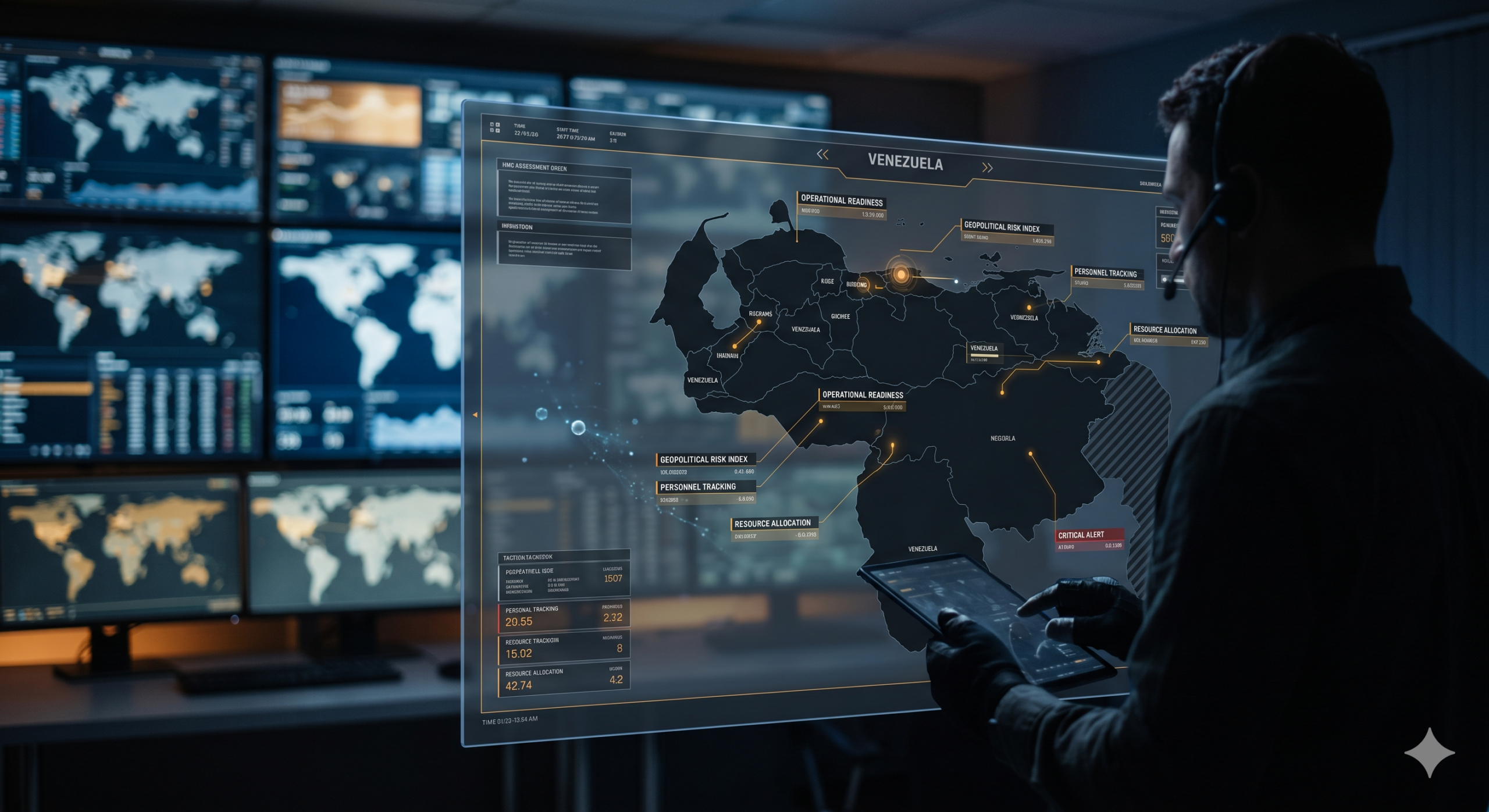
After the events of January 3, 2026, many in the industry are reassessing Venezuela from a geopolitical and operational risk perspective.
While recent operations and leadership changes may suggest a shift, the reality on the ground tells a different story.
The structure of power remains largely intact—and in some cases, even more consolidated.
The appointment of General Gustavo González López as Defense Minister, a figure with deep roots in intelligence and counterintelligence, along with leadership changes within military intelligence (DGCIM), reinforces that the core security apparatus has not fundamentally changed. ([Reuters][1])
For security companies, GSOCs, and intelligence teams, this is a critical reminder:
👉 Risk in Venezuela is not defined by headlines or leadership changes alone
👉 Institutional behavior, operational culture, and historical patterns still drive the threat landscape
👉 Transition periods can increase—not reduce—uncertainty and exposure
In high-risk environments, assumptions are dangerous.
Now more than ever, organizations operating in or supporting Venezuela must rely on *ground-truth intelligence, local insight, and realistic risk assessments—not political narratives.*
#TravelRisk #Security #Intelligence #GSOC #LatinAmerica #Venezuela #DutyOfCare
[1]: https://www.reuters.com/world/americas/venezuela-acting-president-replaces-long-time-defense-minister-2026-03-18/?utm_source=chatgpt.com “Venezuela’s acting president replaces long-time defense minister with intelligence head”